Description
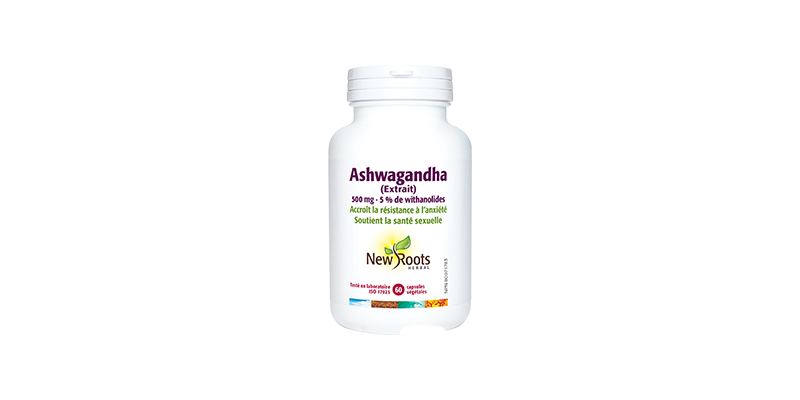
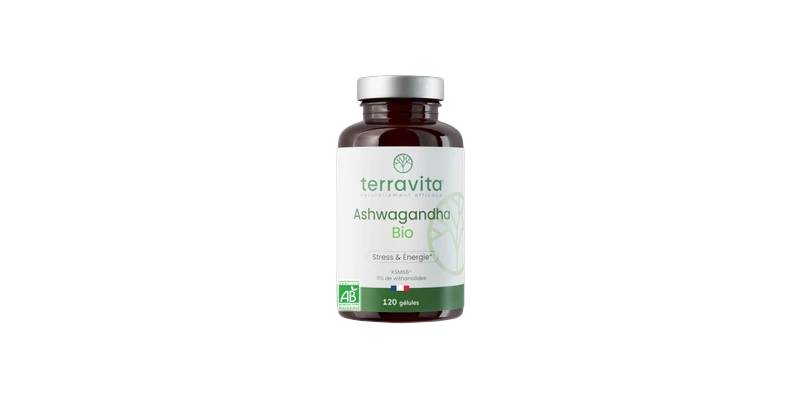
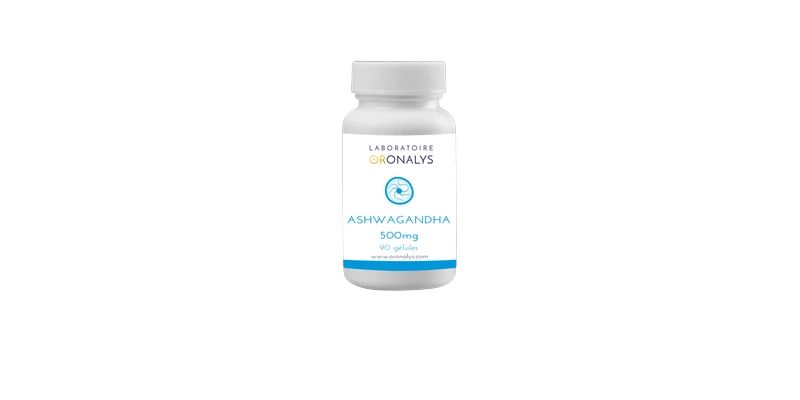
ASHWAGANDHA The root of Withania somnifera is traditionally used to treat states of anxiety and nervous hyperexcitability, among other applications. Its main bioactive compounds are the withanolides and, to a lesser extent, alkaloids and saponins. The WHO monograph indicates four major properties of ashwagandha: its anti-stress activity, its antioxidant power, its immunostimulant activity and its neuroprotective capacity. In Ayurvedic medicine, it is used for its adaptogenic effects to improve physical and mental health, increase resistance to disease and environmental toxins, and increase longevity. Studies on the effects of ashwagandha on anxiety and chronic stress have demonstrated its effectiveness in improving: anxiety assessment scores, mental health, concentration, fatigue, vitality and overall quality of life; but also its ability to significantly reduce stress by lowering serum cortisol levels. Ashwagandha supplementation is associated with significant increases in muscle mass and strength; this suggests that ashwagandha may be useful as a supplement in a resistance training programme. Several preliminary studies on the use of ashwagandha have shown a reduction in chemotherapy-related fatigue and an improvement in quality of life in patients with breast cancer, with a trend towards improved overall survival. Female sexual dysfunction includes a number of disorders resulting in reduced libido, vaginal dryness, decreased genital sensation, reduced arousal, pain during intercourse and difficulty reaching orgasm. This disorder is mainly due to neurovascular, hormonal or psychogenic dysfunctions. Ashwagandha extract may improve arousal, lubrication, orgasm and satisfaction. The results of several studies suggest that ashwagandha could be used in the clinical management and treatment of male infertility. It improves sperm quality, notably by improving concentrations of lactate, alanine, citrate, glycerophosphocholine, histidine and phenylalanine in seminal plasma. It also reduces oxidative stress, inhibits lipid peroxidation by decreasing the levels of several oxidants, and conversely by improving the level of various endogenous antioxidants. In addition, it increases testosterone and LH levels, and reduces FSH and prolactin levels, which is associated with improved fertility. Ashwagandha appears to be able to improve auditory-verbal working memory, a measure of cognition in bipolar disorder, and to be beneficial as an adjunct in the treatment of obsessive-compulsive disorder.