Description
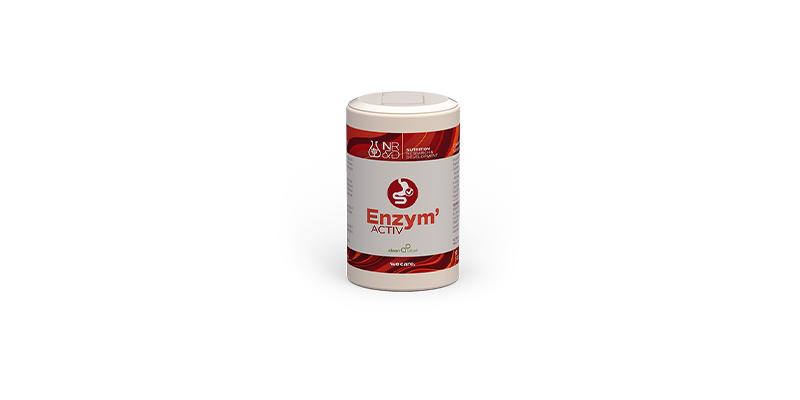
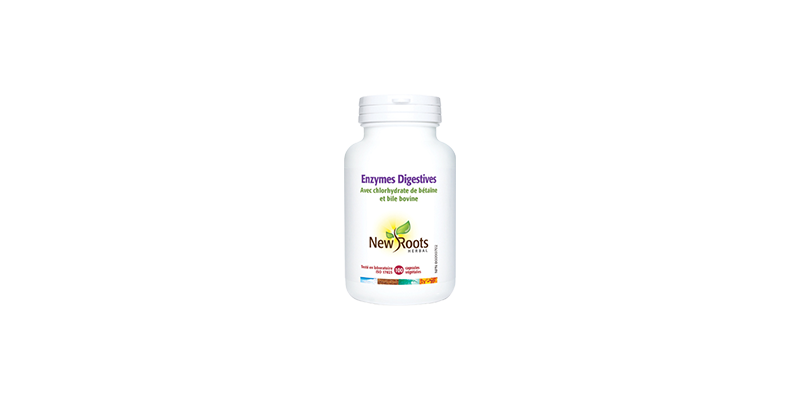
Increases the production of digestive and pancreatic enzymes essential for good digestion! Good digestion = good digestive enzymes The catch: few people have sufficient digestive enzymes. This worsens with age, with those most affected falling within the 45-65 age bracket. Digestive and intestinal discomfort is generally due to a deficiency in digestive enzymes, which can even lead to food intolerances such as gluten, lactose or FODMAP intolerances. And although this phenomenon is becoming increasingly well known, many people still suffer from an enzyme deficiency… without knowing it! A lack of digestive enzymes. NR&D has developed this formula to increase the production of digestive and pancreatic enzymes essential for good digestion. How do you know if you're lacking digestive enzymes? Here are the symptoms of poor digestion that may indicate a deficiency: √ Acid reflux and heartburn √ Cramps, abdominal pain, gas and bloating √ Drowsiness after a meal or headaches √ Fatigue and sleep disturbances √ Mood swings and difficulty concentrating √ Muscle pain and arthritis √ Bad breath Who is digestive enzyme supplementation for? Supplementation will also be recommended for you: √ If you are intolerant to lactose and/or gluten. √ If you only eat cooked or processed foods (very low in digestive enzymes). √ If you don't overeat but are unable to lose weight. √ If you are over 30, given that your enzyme levels have already fallen by more than half by this age. Digestive enzymes are the right reflex to help you digest better and take care of your health. Bromelain : √ Aids digestion, protein digestion. √ Helps maintain the body's natural defences. √ Helps maintain the natural fluidity of the blood and the permeability of blood vessels. Papain : √ Breaks down proteins and provides relief after a heavy meal and when travelling to regions where food hygiene standards differ. √ Papain enzymes break down proteins and activate digestive enzymes. √ Digestive aid, protein digestion. √ Promotes the elimination of intestinal parasites (papaya leaf). Ginger : √ May help manage inflammatory responses. √ May contribute to the normal balance of inflammatory hormones [prostaglandins]. √ Helps support digestion/contributes to the normal functioning of the intestinal tract. α -amylase : √ Prevents the conversion of complex carbohydrates into simple sugars, which are stored as reserve fat if not immediately used by the body. √ Helps increase the bioavailability of nutrients contained in food. √ Supports the body's vitality and activity. √ Breaks down the food we eat into basic elements that our body absorbs and reassembles to build cells, tissues, organs, glands and body systems and to reuse them in other metabolic processes Lipase : √ Promotes digestion. √ Helps increase the bioavailability of nutrients from food. Protease from Ficus Carica : √ Particularly recommended after heavy meals and, over the years, to compensate for the weakening secretion of enzymes that break down proteins. √ Helps increase the bioavailability of nutrients contained in food, supports the body's vitality and activity, breaks down the food we eat into basic elements that our body absorbs and reassembles to build cells, tissues, organs, glands and body systems and to reuse them in other processes √ metabolic ones. Stimulates the growth of beneficial intestinal microflora. Trypsin / Chymotrypsin : √ Together, trypsin and chymotrypsin help break down dietary proteins into smaller peptides, thereby facilitating their absorption in the intestine.