Description
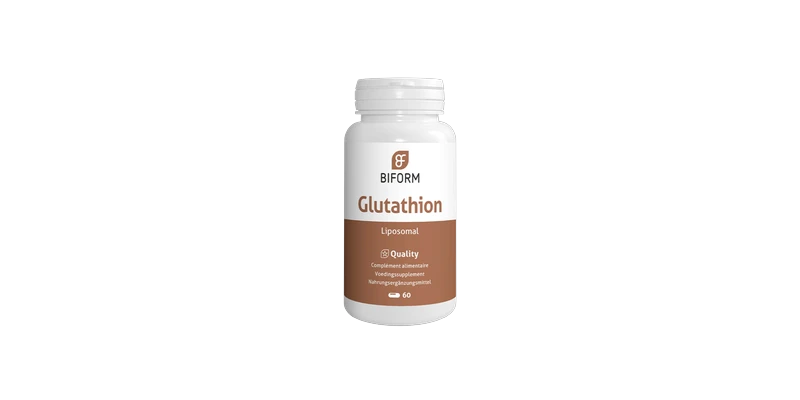
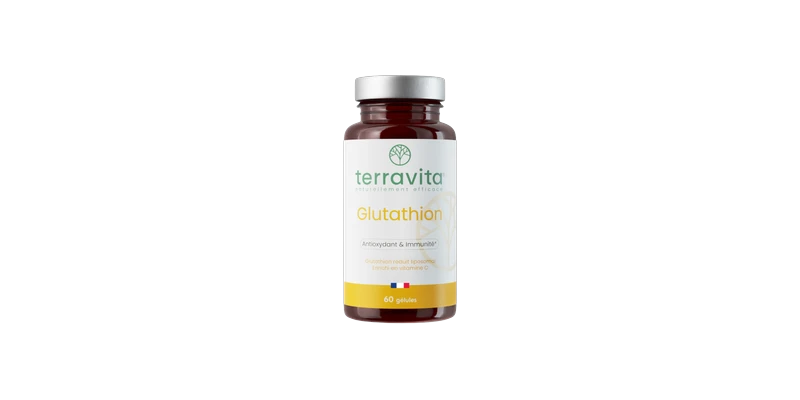
About Liposomal Glutathione Glutathione is an endogenous antioxidant, produced in liver cells. It is made up of 3 amino acids (glycine, glutamate and cysteine) partly produced by our own body or obtained through food. Although the body is capable of producing other antioxidants, none of them seems to surpass the power of glutathione. Nicknamed “the master antioxidant”, glutathione first plays an important role in free radicals and the regulation of the body’s natural defence system. Liposomal form: glutathione is encapsulated in micro-particles of fat. This makes it resistant to gastric acids and also allows it to be better absorbed by the intestine. This is the most powerful form. Glutathione first helps protect our cells. On the one hand, it acts on free radicals before they become damaging to tissues and, on the other hand, it improves the lifespan and effectiveness of the body’s other antioxidants, such as water-soluble vitamin C and fat-soluble vitamin E. Vitamin C increases its absorption and its effects. It is worthwhile combining it with glutathione. Liposomal glutathione has several benefits: Antioxidant properties: Numerous studies have demonstrated the powerful antioxidant activity of glutathione. Glutathione protects cells against oxidative stress in two ways: √ It captures oxidising chemical groups and thus helps reduce the harmful oxidising effects caused by free radicals, these highly reactive and unstable active oxygen derivatives. √ It inhibits the oxidation (peroxidation) of lipids. Anti-ageing: Through its powerful antioxidant effects, it helps combat ageing and its various associated disorders: √ complications of diabetes √ atherosclerosis and hypercholesterolaemia √ cataracts, glaucoma √ cognitive decline and degenerative nervous system diseases Low levels of glutathione are associated not only with ageing but also with the onset of various diseases. In particular, chronic stress, anxiety and depression. Elimination of toxins and heavy metals: By binding to various toxic compounds, it plays a major role in the body’s defence against xenobiotics (substances foreign to the body, carcinogens, pollution, pesticides, heavy metals, medications…). Indeed, it promotes the elimination of these pollutants, once rendered water-soluble, via the bile or urine. Highly concentrated in the liver, it performs a detoxifying role by limiting the accumulation of toxins.