Description
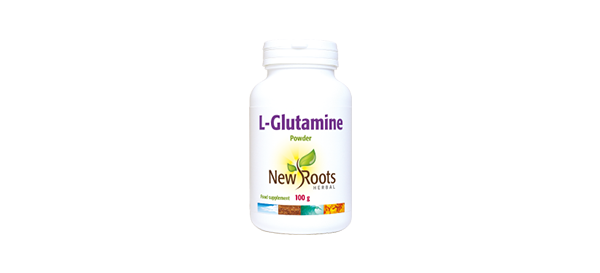
New Roots Herbal L-Glutamine Supplied in the form of a pure, concentrated powder, neutral in taste and easy to use with water. L-glutamine and the brain L-glutamine is considered a fuel for the brain. It is not an essential amino acid, as it is derived from glutamic acid, which can be synthesised from the amino acids arginine, ornithine and proline. It is the most abundant amino acid in serum and cerebrospinal fluid, and it is the only amino acid that easily crosses the blood-brain barrier. Once inside the brain, it converts into glutamic acid and vice versa. Glutamic acid is a neurotransmitter that provides energy to brain cells and is essential to their optimal functioning. With the help of vitamin B6 and through a series of reactions that take place in the brain, it is converted into GABA, a calming neurotransmitter. By binding to nitrogen atoms, glutamic acid is converted into glutamine; and this synthesis has the effect of removing ammonia from the brain. Without sufficient glutamine, and therefore glutamic acid, in the brain, ammonia levels would rise, which could lead to possible brain damage. Diets that include glutamine as a main component have helped improve behavioural problems and autism in children. Other applications in which good results have been observed with glutamine include depression, improvement of IQ (intelligence quotient) in children with mental impairment, schizophrenia, senility and epilepsy. L-glutamine and muscles Glutamine is found in large quantities in the muscles and contributes to their formation and repair. Intense exercise, stress, sports injuries or surgical procedures cause muscles to release glutamine into the blood, which leads to a decrease in the level of this amino acid and therefore a loss of muscle mass. Glutamine can be extremely useful for athletes who train their muscles, to prevent the loss of muscle mass due to prolonged bed rest for people who have undergone surgery. L-glutamine and the digestive system Glutamine is also an important source of energy for the epithelial cells of the intestines and stomach, and can even increase blood flow to these organs. It can have a positive effect on cases of gastritis or ulcers, and excessive intestinal permeability. It seems that, due to its effect on the appetite centre in the brain, glutamine acts as a protector against alcohol intoxication and reduces the desire to consume alcohol. Levels of several amino acids in the blood are altered in alcoholics due to the role of the liver as the main organ involved in alcohol metabolism. L-glutamine and immunity Glutamine also plays an important role in the immune system in multiple ways: on one hand, as a nitrogen donor for the synthesis of purines and pyrimidines, the formation of nicotinamide adenine dinucleotide (NAD) and amino sugars, as a substrate for the formation of arginine; and finally, as an energy substrate for enterocytes, rapidly dividing cells, lymphocytes and macrophages.