Description
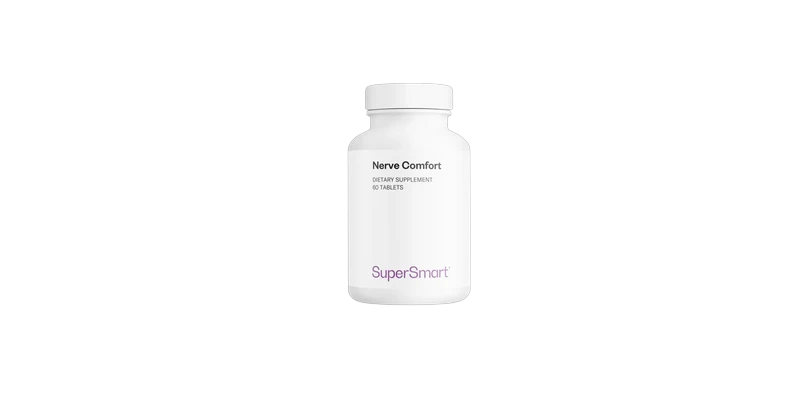
Supplement for nerve health & nerve comfort The best neuroprotective nutrients for nerve function: √ Acetyl-L-carnitine is extensively studied as a potential treatment for neuropathic pain and loss of sensation √ The N-acetylcysteine is a precursor of glutathione, a natural cellular shield that fights the oxidative stress behind many nerve disorders √ Alpha-lipoic acid is one of the most promising substances in the case of neuropathy (particularly diabetic) √ The vitamin B1 (benfotiamine), the vitamin B12 (methylcobalamin) and magnesium bisglycinate contribute to normal psychological function and to the normal functioning of the nervous system Description The Nerve Comfort supplement brings together the most beneficial compounds in terms of neuroprotection (the protection of nerve cells). Its various ingredients have been selected to help you maintain healthy nerve function and reduce nerve-related discomfort. This innovative formula therefore proves particularly interesting in the case of neuropathy. Neuropathy refers to a set of disorders generally caused by damage to peripheral nerves. It can lead to pain, numbness, weakness, dysfunction in the affected areas, etc. The nerves concerned may have been damaged by diabetes, by an injury or by a deficiency in B vitamins. Nerve Comfort , a supplement inspired by treatments for neuropathic pain Treatments prescribed for neuropathic pain commonly combine medications with supplements intended to increase the intake of certain vitamins and other nutrients that are good for the nervous system. Nerve Comfort therefore draws on the very latest scientific advances on neuropathy, to offer a synergy of 6 hand-picked compounds: √ The N-acetylcysteine (NAC) : this amino acid is the precursor of glutathione, the body's well-known natural antioxidant. Involved in the detoxification of harmful substances and the regeneration of other antioxidants, glutathione acts as a true sentinel against the various forms of cellular stress. It is thus studied for its potential neuroprotective properties √ acetyl-L-carnitine : this acetyl ester of L-carnitine is among the molecules most recently tested and most promising for relieving neuropathies. The scientific literature attributes to it possible analgesic (pain-relieving) properties via activation of receptors located in the neurons of the dorsal root ganglia (modulating the transmission of pain signals). It is also said to be effective against loss of sensation √ The benfotiamine : this form of vitamin B1 contributes to the normal functioning of the nervous system in particular by improving energy metabolism within nerve cells. A vitamin B1 deficiency typically shows up as loss of sensation in the extremities and burning pain. As well as being a more bioavailable form of vitamin B1 than the "classic" form (called thiamine), benfotiamine appears to offer protection against damage caused by glycosylation of nerve proteins, a process often accelerated in cases of neuropathy √ alpha-lipoic acid : studies on people with neuropathy have measured the potential of alpha-lipoic acid (an endogenous protector naturally present in human cells) in trapping lipophilic free radicals in the peripheral nerve and regenerating nerve fibres. This compound proves particularly effective in diabetic subjects, for whom uncontrolled hyperglycaemia induces oxidative stress that impairs proper blood flow to neuronal cells and causes glycation of neuroprotective antioxidant enzymes (hence the peripheral nerve damage frequently observed) √ magnesium bisglycinate : magnesium contributes to the normal functioning of the nervous system and to a normal psychological function. Studies suggest that this mineral could stabilise calcium channels, exert anti-inflammatory effects and block NMDA receptors, thereby reducing nerve hyperexcitability and pain transmission. The chosen form of magnesium, namely magnesium bisglycinate, is reputed to be the most bioavailable and enjoys excellent digestive tolerance √ The methylcobalamin : this form of vitamin B12 also takes part in the normal functioning of the nervous system by contributing to the repair and regeneration of nerves as well as to the synthesis of myelin (the nerve sheath). A lack of vitamin B12 is closely associated with the development of peripheral neuropathic damage. The chosen form of vitamin B12, methylcobalamin, has the advantage of being directly usable and easily absorbed by the body.