Description
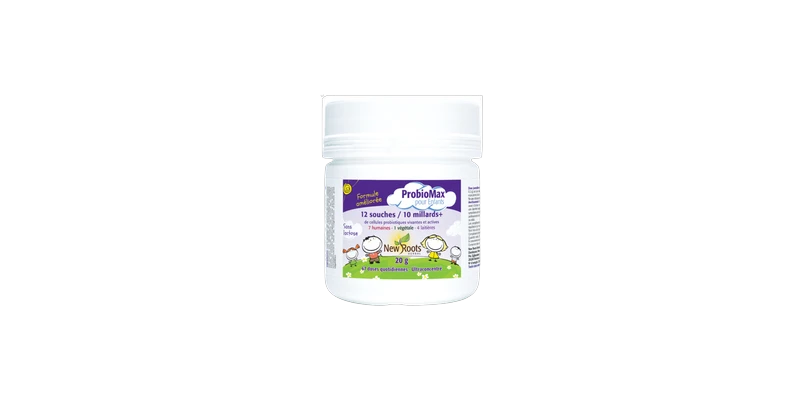
About ProbioMax for children PROBIOMAX for Children is an exclusive probiotic formula made up of 12 strains designed to maintain children's gastrointestinal health from the earliest stages of life. Each dose provides 10 billion CFU, including a significant proportion of species that colonise the digestive tract of children very early on. All have shown some of the best effects when it comes to children's health, notably by supporting balanced digestive health and supporting the immune system in its role of protecting against pathogenic micro-organisms. This product creates favourable conditions for the optimal proliferation of a healthy microflora, important for optimal assimilation of nutrients and for a strengthened immune function. This ultra-concentrated formula also helps children better fight infant diarrhoea. The formula includes the following beneficial strains: √ LACTOBACILLUS RHAMNOSUS This strain is traditionally used in the treatment and prevention of infectious diarrhoea caused by rotavirus and other viral illnesses in babies and children. This micro-organism prevents damage to the intestinal wall caused by pathogens such as Escherichia coli . L. rhamnosus has also proven effective in children with irritable bowel syndrome, relieving the abdominal pain associated with this condition. Recently, the p40 protein derived from L. rhamnosus GG has been identified as an immunomodulatory molecule responsible for the preventive effect on eczema and atopic dermatitis in babies. √ LACTOBACILLUS CASEI This strain reduces the duration and incidence of infections leading, for example, to bronchitis, pneumonia and rhinopharyngitis. L. casei strengthens immunity against bacterial infections (for example from Escherichia coli ) and viral infections, and boosts flu vaccination. In children, it improves the symptoms of allergic rhinitis, it helps eradicate Helicobacter pylori in conjunction with antibiotic therapy, it is effective against viral diarrhoea, and it reduces the overall incidence of infections. √ BIFIDOBACTERIUM LONGUM subsp. INFANTIS This micro-organism predominates in the intestinal flora of babies, particularly those who are breastfed. B. infantis is one of the first bacterial species to colonise the gastrointestinal tract of infants and it is essential in adults for intestinal health and immune system function. B. infantis produces acetic acid and thereby inhibits pathogenic bacteria. It relieves numerous symptoms of irritable bowel syndrome (IBS), for example pain and bloating, and it helps normalise intestinal transit. √ BIFIDOBACTERIUM BREVE B. breve maintains colon homeostasis by reducing inflammation at the intestinal level. It thus protects colon function, relieves constipation and reduces gas, bloating and diarrhoea. It also stimulates the immune system, inhibits Escherichia coli and fights the Candida fungus. In newborns, it improves gastrointestinal problems by stabilising the intestinal flora. √ BIFIDOBACTERIUM LONGUM Various studies have shown the effectiveness of B. longum when combined with other probiotics to prevent antibiotic-associated diarrhoea (AAD) by restoring the child's intestinal microflora, as well as to treat IBS. B. longum also has anti-inflammatory properties and is indicated to prevent and relieve seasonal allergies. √ LACTOBACILLUS ACIDOPHILUS It helps maintain acid-base (pH) balance in the intestinal tract, thereby preventing the growth of harmful bacteria. It has been used for many years to treat and prevent oral infections and urinary tract infections. It helps maintain an acidic environment in the intestinal tract by preventing the growth of harmful bacteria and reduces antibiotic-associated diarrhoea. √ LACTOBACILLUS PLANTARUM L. plantarum improves the symptoms of irritable bowel syndrome, such as excessive gas, bloating and abdominal discomfort, and of ulcerative colitis. It regulates the immune response and is beneficial in the treatment of atopic dermatitis in children. It improves gastrointestinal symptoms during antibiotic therapy. It also improves the symptoms of lactose intolerance, such as diarrhoea and flatulence. √ LACTOBACILLUS REUTERI This micro-organism is naturally present in breast milk. Studies show its effectiveness in relieving infant colic by helping regulate digestion, reducing constipation, and limiting the intensity and frequency of abdominal pain. √ LACTOBACILLUS HELVETICUS Studies have shown that this strain prevents gastrointestinal infections, improves protection against pathogens and modulates the immune response. The specific enzymatic activity of L. helveticus can improve the bioavailability of nutrients, the elimination of allergens and food toxins, and the production of bioactive peptides for protein digestion. √ LACTOBACILLUS PARACASEI L. paracasei is effective against infections caused by Staphylococcus aureus, Escherichia coli and Salmonella . It relieves the frequency and duration of acute diarrhoea in children. √ LACTOBACILLUS JOHNSONII L. johnsonii has several benefits: it helps treat gastritis caused by Helicobacter pylori , it regulates the immune response, it may help control diabetes, and it improves allergic rhinitis in children.