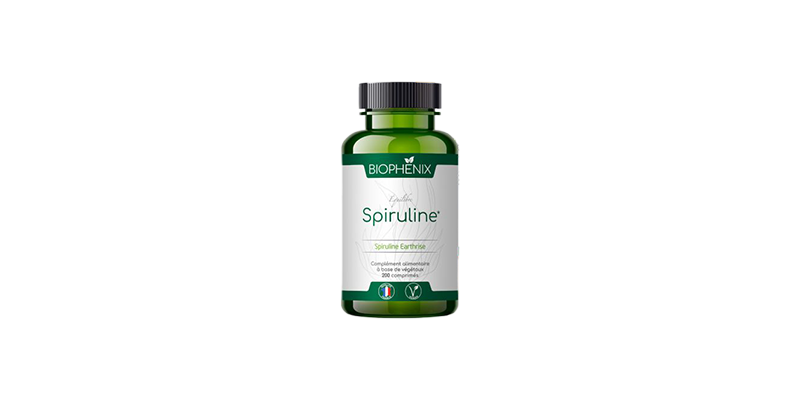
Why this Spirulina? √ Natural, grown in the sun, √ Proteins, vitamins, minerals, amino acids, √ Zero chemicals, zero excipients. √ 68% protein including all essential amino acids, beta-carotene, fatty acids, vitamins, minerals and trace elements including a small amount of iodine. Find out more Spirulina provides a range of nutrients that will be recognised and assimilated by the body, since it is a natural product that has undergone no processing during its cultivation. Spirulina, a microalga, is both plant-like and classified by scientists as a cyanobacterium. Its ability to capture heavy metals, its richness in antioxidants, essential amino acids, enzymes and trace elements essential to cell renewal reactions make it a valuable ally in the fight against free radicals and cellular ageing, which underlie inflammatory, degenerative, autoimmune or cancerous diseases, but the absence, among other things, of vitamin C and omega-3 fortunately means it is not the food of the future. Spirulina, consumed by humans since antiquity, was originally cultivated worldwide for humanitarian purposes to combat malnutrition. It is now consumed to help make up for the shortfalls in our diet. We have selected a spirulina grown in ponds located away from any industrial or agricultural pollution, far from any urban concentration, in order to obtain a certified vegan quality product that complements our range. 1. Protein and amino acid intake: The protein content, 60 to 70%, is higher than that of soya, and most importantly, all the essential amino acids, those the body cannot manufacture, are present in ideal proportions. This quality protein intake makes it an excellent choice for both athletes and seniors alike. Spirulina is an anti-ageing food par excellence. 2. Provitamin A and vitamin E and K intake: Spirulina contains 10 to 15 times more beta-carotene, a precursor of vitamin A, than carrots. Vitamin A plays a major role in the synthesis of eye pigments. An intake of vitamin A helps prevent vision problems. Beta-carotene stored in the liver is only converted into vitamin A if there is a need for it, so it presents no toxicity. Vitamin E prevents the oxidation of spirulina and works synergistically with beta-carotene. Vitamin K promotes coagulation and the fixation of calcium. 3. Minerals and trace elements intake: Calcium and magnesium are present, along with boron, cobalt, chromium, copper, manganese and phosphorus. All these elements are essential to the proper functioning of the human body, and a deficiency in any one of them can lead to significant metabolic disorders. Iron: In the absence of vitamin C, absorption would be less than 10%. 4. Chlorophyll and phycocyanin intake: Chlorophyll helps eliminate heavy metals. Phycocyanin, a blue pigment, is an important stimulant of the immune system.