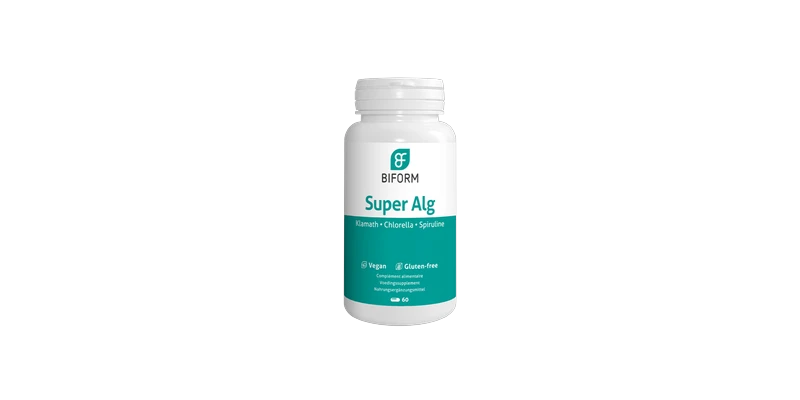
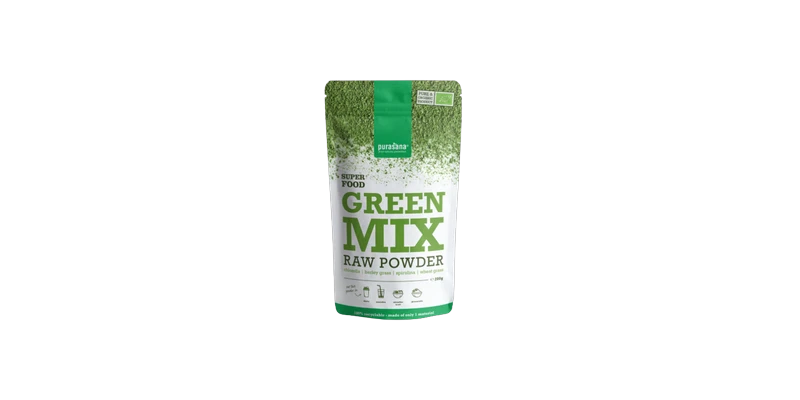
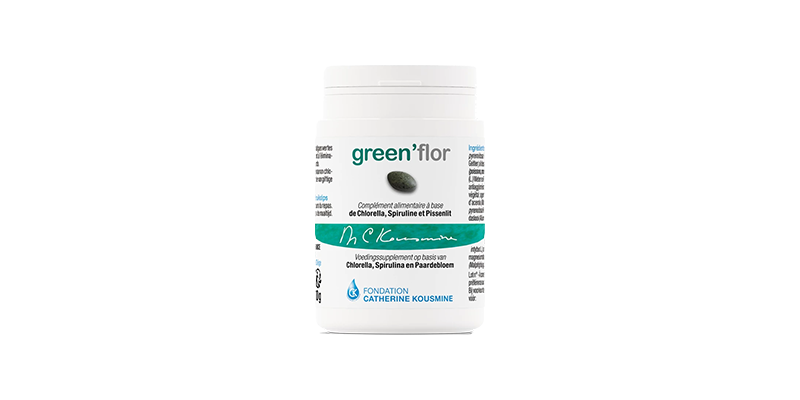
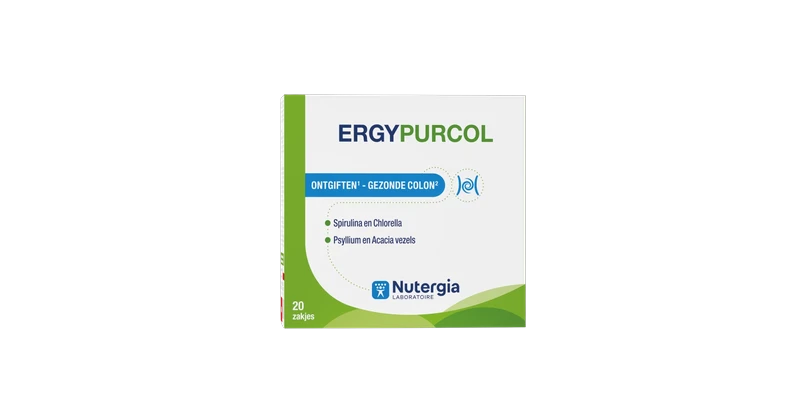
About Super Alg Klamath, spirulina and chlorella are increasingly sought-after superfoods. Highly nutritive, each contains targeted effects owing to their different concentrations of essential nutrients as well as their high levels of specific nutrients. Klamath √ Like spirulina, Klamath contains, in number, proteins, essential amino acids, peptides, vitamins, among which vitamins A, B1, B12 and K are the most important, antioxidants, minerals and trace elements as well as phyto-nutrients such as chlorophyll and phycocyanin. √ It is of great interest for supporting the body's intake of essential nutrients, increasing natural defences and boosting physical and intellectual performance. Richly endowed with specific polysaccharides, rare trace elements such as selenium, germanium, gallium, vanadium, phenylethylamine (PEA), vitamin C, and essential omega-3 fatty acids, Klamath is a genuine support for vitality. √ Ideal for supporting the body's functioning on every level, Klamath stands out as an indispensable ally. Regulating and protective, it acts with the greatest respect for the body in favour of increasing its vital strength. Spirulina √ Spirulina is of interest thanks to its richness in essential amino acids, iron, beta-carotene, B-group vitamins, including vitamin B12, vitamin E, as well as essential omega-6 fatty acids (gamma-linolenic acid). Well endowed with minerals, trace elements, chlorophyll and fibre, spirulina also stands out for its high proportions of phycocyanin, a powerful antioxidant. √ A pigment molecule that gives spirulina its green colour, as well as other micro-algae in the cyanobacteria group, phycocyanin is involved in capturing light energy, energy that is then converted within the body to fuel the body's dynamism. √ Fortifying, remineralising and antioxidant, it helps protect and strengthen the body, and to balance and positively regulate its functioning. While it is recommended for athletes, its nutritional qualities also make it a superfood of choice for making up dietary deficiencies in people whose diet is too poor, as well as for restoring the well-being of those whose strength has been weakened. Chlorella √ Very similar to spirulina in terms of nutritional composition, chlorella brings together significant concentrations of proteins, amino acids, vitamins, minerals, essential fatty acids, chlorophyll and sporopollenin. B-group vitamins, alongside vitamins B, C, D, K and minerals such as iron, calcium, magnesium, potassium and zinc give chlorella major assets in terms of vitality and natural defences. √ It is the micro-algae most concentrated in chlorophyll, and containing sporopollenin, it is highly relevant for purifying the body. It naturally supports its oxygenation and remineralisation. √ Detoxifying, purifying and fortifying, chlorella, a cousin of spirulina, has its own particular characteristics that make it an interesting ally in all situations where an additional intake of protein and essential nutrients is required. It is very rich in chlorophyll, two to three times more than spirulina. This allows it to act effectively on the entire digestive system, from the mouth to the rectum: bad breath, healing of gum wounds as well as gastric and duodenal ulcers, destruction of Candida albicans, reduction of gas, acids, intestinal fermentation and haemorrhoids, neutralisation of bacterial toxins. Chlorophyll also improves acid-base balance and stimulates the production of haemoglobin and red blood cells. It is therefore an interesting anti-anaemic agent.