Description
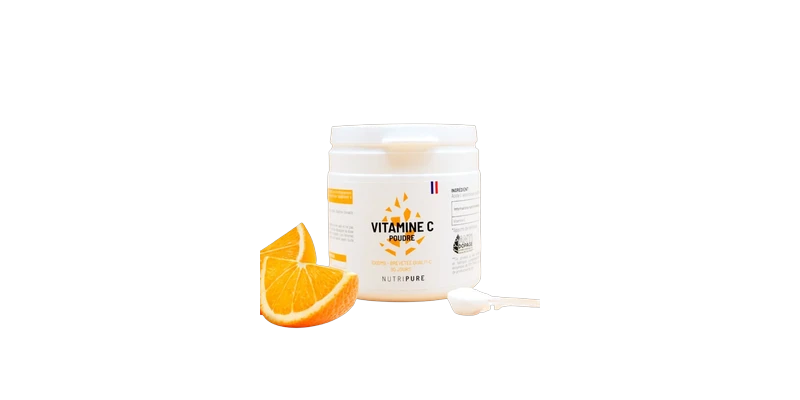
About Vitamin C powder √ A daily classic to stay in shape √ Reduction of fatigue, protection of cells against oxidative stress √ Functioning of the immune system, energy metabolism, collagen synthesis √ Quali®-C quality label - optimised dosage - in capsules or powder Vitamin C: A classic in nutrition Vitamin C, or ascorbic acid, is a vitamin involved in functions essential to the health of the body. This water-soluble vitamin is considered by scientists to be one of the greatest natural antioxidants. Our body cannot produce or store this vitamin, which is why it is important to maintain a daily intake. ANSES (the French agency for food, environmental and occupational health & safety) recommends a daily dose of 110mg of vitamin C per day. ANSES has also set the upper safety limit at 1000mg. This limit includes both dietary intake and supplements of vitamin C. Although vitamin C is naturally present in food, the decline in the nutritional quality of fruit and vegetables makes it worthwhile taking it in the form of supplements. The benefits: √ Contributes to the normal functioning of the immune system. √ Protects cells against oxidative stress (antioxidant). √ Contributes to energy metabolism and to reducing fatigue. √ Promotes collagen synthesis. √ Contributes to normal psychological and nervous functions. √ Just as well absorbed as the vitamin C found in fruit and vegetables. A vitamin that is becoming rare in the diet Ascorbic acid is naturally found in many fruits and vegetables. Orange, kiwi, grapefruit, blackcurrant, red and green peppers, spinach, broccoli, Brussels sprouts and strawberries are excellent dietary sources of vitamin C. Nevertheless, intensive farming and disregard for seasonality mean that these foods today provide fewer nutrients and vitamins than would be needed despite a balanced diet… This is why vitamin C supplementation helps maintain the daily intake the body needs to be in full health. According to Philippe Desbrosses, Doctor of Environmental Science at the University of Paris VII, you would need 100 supermarket Golden apples to consume as much vitamin C (400 mg) as a single apple grown in 1950! Stay healthy thanks to vitamin C The appearance of scurvy in sailors who had no fruit or vegetables in their diet for long months showed the necessity of vitamin C in the diet. A deficiency in vitamin C can result in numerous symptoms. Indeed, vitamin C contributes to: √ Reducing fatigue and boosting energy metabolism; √ Ensuring normal functioning of the immune system; √ Fighting the common cold or flu-like symptoms; √ Maintaining normal functioning of the nervous system; √ Ensuring normal psychological functions; √ Protecting cells against oxidative stress; √ Increasing iron absorption. Particularly for athletes, vitamin C enables the synthesis of carnitine. It plays a major role in muscle contractions during long and intense exercise. It also enables the transport of fatty acids for their breakdown and conversion into energy.
<style>.sc-desc{color:#3F524A;font-size:16px;line-height:1.65}.sc-desc__lead{max-width:72ch}.sc-desc__lead p{margin:0 0 14px}.sc-desc__lead p:first-child{font-size:18px;color:#14342B}.sc-desc__card{background:#fff;border:1px solid #E6EAE6;border-radius:14px;padding:22px 24px;margin-top:22px;box-shadow:0 1px 2px rgba(20,52,43,.04)}.sc-desc__card--claims{background:#F7FAF7;border-color:#DBE5DE}.sc-desc__h{margin:0 0 12px;font-size:17px;font-weight:700;color:#14342B;letter-spacing:-.01em}.sc-desc__p{margin:0 0 12px}.sc-desc__p:last-child{margin-bottom:0}.sc-desc__checks{list-style:none;margin:0;padding:0}.sc-desc__checks li{position:relative;padding:7px 0 7px 32px}.sc-desc__checks li::before{content:'';position:absolute;left:0;top:10px;width:20px;height:20px;border-radius:50%;background:#EDF2EE url("data:image/svg+xml,%3Csvg%20xmlns='http://www.w3.org/2000/svg'%20viewBox='0%200%2024%2024'%20fill='none'%20stroke='%231F6B4F'%20stroke-width='3.2'%20stroke-linecap='round'%20stroke-linejoin='round'%3E%3Cpath%20d='M5%2012.5l4.2%204L19%207'/%3E%3C/svg%3E") center/11px 11px no-repeat}.sc-desc__dots{margin:0;padding-left:20px}.sc-desc__dots li{padding:3px 0}.sc-desc__callout{display:flex;gap:14px;background:#EEF4F2;border:1px solid #D8E5E0;border-radius:12px;padding:18px 20px;margin-top:22px}.sc-desc__callout--care{background:#FBF6EC;border-color:#ECDDBE}.sc-desc__callout--care .sc-desc__h{color:#7E6418}.sc-desc__callout__icon{flex:0 0 auto;width:26px;height:26px;border-radius:50%;background:#1F6B4F;color:#fff;font-weight:700;font-size:15px;line-height:26px;text-align:center}.sc-desc__callout--care .sc-desc__callout__icon{background:#C99A2E}.sc-desc__callout .sc-desc__h{margin-bottom:8px}</style><div class="sc-desc"><section class="sc-desc__card"><ul class="sc-desc__checks"><li>A daily classic to stay in shape</li><li>Reduction of fatigue, protection of cells against oxidative stress</li><li>Functioning of the immune system, energy metabolism, collagen synthesis</li><li>Quali®-C quality label - optimised dosage - in capsules or powder</li></ul></section><section class="sc-desc__card"><h3 class="sc-desc__h">Vitamin C: A classic in nutrition</h3><p class="sc-desc__p">Vitamin C, or ascorbic acid, is a vitamin involved in functions essential to the health of the body. This water-soluble vitamin is considered by scientists to be one of the greatest natural antioxidants.</p><p class="sc-desc__p">Our body cannot produce or store this vitamin, which is why it is important to maintain a daily intake. ANSES (the French agency for food, environmental and occupational health & safety) recommends a daily dose of 110mg of vitamin C per day. ANSES has also set the upper safety limit at 1000mg. This limit includes both dietary intake and supplements of vitamin C.</p><p class="sc-desc__p">Although vitamin C is naturally present in food, the decline in the nutritional quality of fruit and vegetables makes it worthwhile taking it in the form of supplements.</p></section><section class="sc-desc__card"><h3 class="sc-desc__h">The benefits:</h3><ul class="sc-desc__checks"><li>Contributes to the normal functioning of the immune system.</li><li>Protects cells against oxidative stress (antioxidant).</li><li>Contributes to energy metabolism and to reducing fatigue.</li><li>Promotes collagen synthesis.</li><li>Contributes to normal psychological and nervous functions.</li><li>Just as well absorbed as the vitamin C found in fruit and vegetables.</li></ul></section><section class="sc-desc__card"><h3 class="sc-desc__h">A vitamin that is becoming rare in the diet</h3><p class="sc-desc__p">Ascorbic acid is naturally found in many fruits and vegetables. Orange, kiwi, grapefruit, blackcurrant, red and green peppers, spinach, broccoli, Brussels sprouts and strawberries are excellent dietary sources of vitamin C.</p><p class="sc-desc__p">Nevertheless, intensive farming and disregard for seasonality mean that these foods today provide fewer nutrients and vitamins than would be needed despite a balanced diet… This is why vitamin C supplementation helps maintain the daily intake the body needs to be in full health.</p><p class="sc-desc__p">According to Philippe Desbrosses, Doctor of Environmental Science at the University of Paris VII, you would need 100 supermarket Golden apples to consume as much vitamin C (400 mg) as a single apple grown in 1950.</p></section><section class="sc-desc__card"><h3 class="sc-desc__h">Stay healthy thanks to vitamin C</h3><p class="sc-desc__p">The appearance of scurvy in sailors who had no fruit or vegetables in their diet for long months showed the necessity of vitamin C in the diet. A deficiency in vitamin C can result in numerous symptoms.</p><p class="sc-desc__p">Indeed, vitamin C contributes to:</p><ul class="sc-desc__dots"><li>Reducing fatigue and boosting energy metabolism;</li><li>Ensuring normal functioning of the immune system;</li><li>Fighting the common cold or flu-like symptoms;</li><li>Maintaining normal functioning of the nervous system;</li><li>Ensuring normal psychological functions;</li><li>Protecting cells against oxidative stress;</li><li>Increasing iron absorption.</li></ul><p class="sc-desc__p">Particularly for athletes, vitamin C enables the synthesis of carnitine. It plays a major role in muscle contractions during long and intense exercise. It also enables the transport of fatty acids for their breakdown and conversion into energy.</p></section></div>