Description
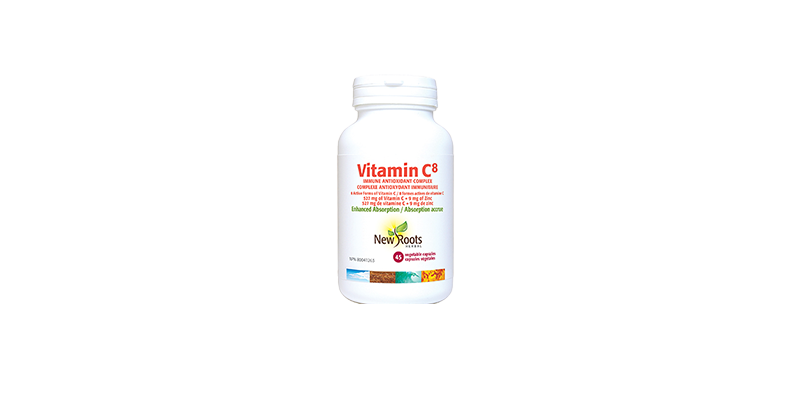
VITAMIN C8 This one-of-a-kind formula offers 8 different forms of buffered vitamin C ( 7 mineral ascorbates and ascorbyl palmitate, i.e. liposoluble vitamin C) for maximum digestive tolerance, optimal retention and better bioavailability. These buffered and non-acidifying forms of vitamin C are well tolerated by the stomach, and metabolised progressively in the body. The benefit of Vitamin C8 is to provide a gradual effect thanks to the different kinetics of the ascorbates, with an action on the body spread over several hours (between 4 and 8, depending on the person). VITAMIN C8 provides in physiological doses: calcium, magnesium, potassium, zinc, manganese, selenium, manganese and sodium, making it a good source of electrolytes with various health benefits: √ Calcium ascorbate: supplementation with calcium ascorbate increases the concentration of vitamin C in leukocytes, making them more effective. √ Magnesium ascorbate: combined with ascorbic acid, magnesium promotes the elasticity of blood vessels, thereby reducing the risk of cardiovascular disease. √ Potassium ascorbate: potassium is a mineral essential to electrolyte balance within cells, which is fundamental to cardiac activity. √ Zinc ascorbate: zinc plays an important role in immunity and reduces the risk, duration and severity of certain infectious diseases. √ Sodium ascorbate: this is a buffered form of sodium, better absorbed than the acid form. √ Selenium ascorbate: combined with vitamin C, selenium strengthens the immune system and notably reduces symptoms associated with the common cold. √ Manganese ascorbate: manganese is essential for the development of bones and cartilage. It is also linked to the nervous system and the brain. Its usefulness for the immune system as well as its antioxidant properties are well established. √ Ascorbyl palmitate: a liposoluble form of vitamin C that protects cell membranes, LDL lipoproteins and vitamin E from oxidation. VITAMIN C This vitamin is not produced by the body, and must therefore be ingested daily in sufficient quantity through fruit and vegetables or as a supplement. It plays an important role in human health by helping protect cells from oxidative damage. This limits the development and chronicity of certain cardiovascular, neurological, osteoarticular and metabolic (diabetes) diseases, and of cancer. With regard to cardiovascular health more specifically, vitamin C prevents the oxidation of LDL cholesterol and prevents oxidative damage to the walls of blood vessels. It therefore contributes to lowering blood pressure, reducing the risk of coagulation and strengthening the vascular and capillary endothelium. In conjunction with other antioxidants, it plays a major role in eye health by delaying macular degeneration and the loss of visual acuity due to ageing. Vitamin C strengthens the immune system by increasing the number of its cells. It has a proven effect on reducing the symptoms and duration of the common cold. It also benefits connective tissue, as it contributes to the formation of collagen, a set of structural fibres essential to the proper functioning of bones, teeth, cartilage, gums, skin and blood vessels. It is also involved in the synthesis of neurotransmitters and hormones necessary for nervous and psychological activity. Vitamin C also contributes to cellular energy production, reduces fatigue and promotes the absorption of iron found in plants. It is therefore important for vegetarians and vegans. Athletes benefit from it too, as it is a cofactor of carnitine which increases cardiac capacity. It also promotes the immune response during and after intense physical exercise.