
A patient exhausted for months after Covid. An athlete who has made no progress since being vaccinated. A patient with a persistent cough despite every work-up.
What do they have in common?
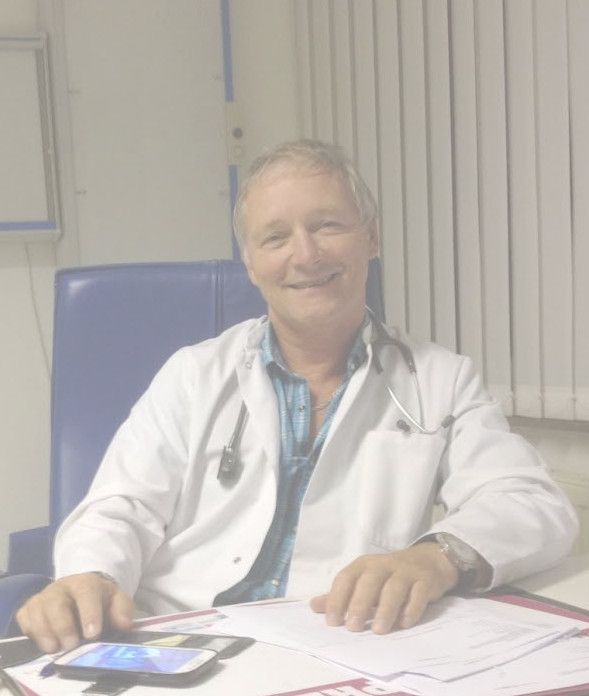
According to Dr Bertrand Kimmel, who shares his experience in a Simplycure webinar, these puzzling presentations belong to one and the same clinical entity: “spikopathy”. The culprit is the Spike protein, whose pro-inflammatory and persistent effects may sustain chronic symptoms even when no active virus is present.
So, how do you eliminate the Spike protein (or rather, reduce its burden and its consequences) in your patients? Here is a structured summary of the key points presented in that webinar: spotting the picture, useful work-ups and a micronutrition detoxification protocol.
1. Recognising the signs that point to the Spike protein
In everyday practice the presentations are often misleading. Persistent fatigue, diffuse pain or digestive problems are easily put down to stress or to a pre-existing chronic illness. Yet some signs should raise a flag and prompt you to explore the Spike hypothesis.
Among the most frequent reported by Dr Kimmel:
an overwhelming fatigue, out of all proportion to the effort made, sometimes with a fall in VO₂ max in athletes;
a persistent cough, often wrongly labelled as allergic or whooping-cough-like;
signs of dysautonomia: palpitations on standing, sweating or unstable thermoregulation;
Skin or digestive symptoms suggesting poorly controlled mast cell activation syndrome (MCAS).
What makes the difference: persistence beyond 8 to 12 weeks, sometimes with gradual worsening. At that point it makes sense to document the picture biologically1.
2. Useful tests to confirm the picture
Dr Kimmel points out that there is no “miracle test”, but that certain analyses help to refine the picture and guide management2.
Clinical targetTests to considerInflammationHigh-sensitivity CRP, IL-6AutoimmunityAntinuclear antibodies (ANA), anticardiolipin antibodiesViral immune dysregulationLymphocyte subset typing, screening for reactivations (EBV, CMV, shingles…)Mast cellsDiamine oxidase (DAO)Oxidative stress / mitochondriaReduced/oxidised glutathione, CoQ10 if neededOptionalSpike assay (Laboratoire MMD, Magdeburg)
The aim is not to pile up work-ups, but to target them according to the clinical profile.
In a very fatigued patient, glutathione and mitochondrial function are the priorities to explore. Where there are digestive problems or symptoms pointing to histamine intolerance, measuring DAO comes into its own. For a more vascular phenotype, D-dimers are a useful marker3.
3. How to eliminate the Spike protein: a protocol in 4 areas
Once the signs have been spotted and confirmed, the question is how to act. The strategy Dr Kimmel proposes is built around four pillars: inflammation & mast cells, microthrombosis & endothelium, mitochondria and microbiota.
The average duration is four months, with adjustments based on symptoms and follow-up bloods.
AreaClinical objectiveMain toolsPractical pointsInflammation & mast cellsReduce chronic inflammation and MCASQuercetin, active curcuminoids (THC), Desmodium, Vitamin D, ReishiSelect according to the underlying terrain (digestive, hepatic, histaminic)Microthrombosis & endotheliumLimit the formation of microclots and protect the vessel wallNattokinase, Dogwood (gemmotherapy), Omega-3Step up if D-dimers ↑ or a marked vascular phenotypeMitochondriaRestart cellular energy productionPQQ, NADH, phosphatidylcholine, magnesium (± CoQ10 if a proven deficiency)Targets “out of the ordinary” fatigue and the fall in VO₂ maxMicrobiotaRestore diversity and reduce dysbiosisSynbiotics such as kefir, DAO (if MCAS), management of candidiasis/dysbiosisEssential, because 20 % of ACE2 receptors are intestinal
The idea is not to stack up every product as a matter of course, but to target the right levers according to the clinical profile and the priorities of the moment.
4. Illustrative clinical cases
According to Dr Bertrand Kimmel, certain profiles should draw attention to a possible spikopathy and steer the choice of work-up as well as the protocol:
Persistent cough after vaccination or after Covid
Check antibody kinetics.
Consider histamine intolerance or a poorly controlled mast cell syndrome (DAO, quercetin, Desmodium).
Major fatigue or a sudden drop in VO₂ max
Explore oxidative stress and mitochondrial function4.
Recommended support: PQQ, NADH, phosphatidylcholine, CoQ10 depending on the profile.
Vascular phenotype with raised D-dimers / oedema
Monitor thromboembolic risk.
One possible strategy: nattokinase (or alternatives), gemmotherapy (dogwood), antioxidants.
5. Monitoring the Spike protein burden
The detoxification protocol calls for structured follow-up, usually in stages.
At 6 to 8 weeks: assess how the main functional symptoms are changing (fatigue, sleep, breathlessness, digestive or skin problems). This is the moment to see whether the strategy in place is enough or whether certain levers need reinforcing, for example mitochondrial support or a fibrinolytic action.
At 12 to 16 weeks: decide whether to consolidate the gains (tapering dosages gradually) or to extend the protocol on targeted areas. A persistent cough may mean carrying on with histamine-focused management, while a fall in VO₂ max justifies keeping mitochondrial support in place.
Follow-up bloods: hs-CRP and IL-6 for inflammation, reduced/oxidised glutathione for detoxification capacity, D-dimers in a vascular context, DAO if a histamine syndrome is suspected5.
The aim is twofold: to avoid needlessly prolonging an intensive course, but also to prevent stopping too early in a patient who is still fragile.
Conclusion: making progress against the Spike protein
Eliminating the Spike protein is not a theoretical idea but a very concrete issue in day-to-day clinical work.
Spot the at-risk profiles, confirm with a few targeted work-ups where that is relevant, then act in a coordinated way on inflammation, coagulation, mitochondria and microbiota: it is this integrative approach that produces tangible improvements in patients.
Dr Bertrand Kimmel showed it in his webinar: used with judgement, micronutrition becomes a practical and effective lever for making progress against this protein.
Would you like to go further in caring for your patients affected by the Spike protein? Contact us!