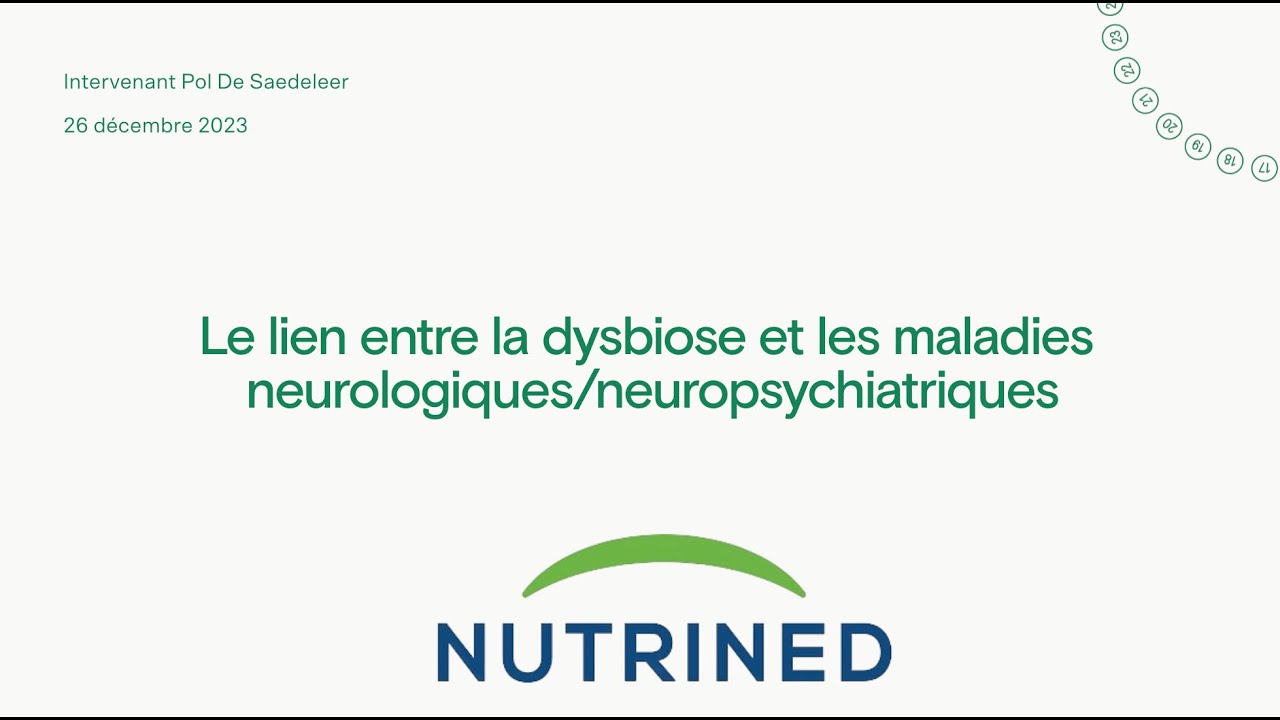
A patient presents with persistent neurological symptoms. You have explored the classic avenues, but have you investigated their gut microbiota? This question could transform your therapeutic approach. While conventional neurology focuses on the central nervous system, a silent revolution is taking place at the intersection of dysbiosis and neurological disorders, opening up new perspectives for your clinical practice.
Intestinal dysbiosis: an overlooked player in neurological disease
Dysbiosis, this imbalance in the gut flora, is no longer a simple gastroenterological concept. It now stands out as a key factor in the development and progression of numerous neurological diseases, particularly Alzheimer’s disease. This gut-brain connection reveals a considerable diagnostic and therapeutic opportunity for your practice.
When the intestinal microbial balance is disrupted, particularly by the proliferation of certain bacteria such as Clostridium, neurotransmission is affected as a result. These changes trigger inflammatory cascades which, over time, contribute to the development of neurodegenerative diseases.
Integrating this microbiotic dimension into your neurological assessment enriches your therapeutic arsenal and offers solutions that complement conventional treatments.
Environmental toxins: the insidious impact on the brain via the microbiome
Exposure to environmental toxins is a determining factor in the disruption of the gut-brain axis. Bromopropane and glyphosate are among the most concerning substances, their harmful effects on the microbiome now being clearly associated with various neurological diseases.
These environmental toxicants promote the proliferation of certain pathogenic bacteria while reducing beneficial microbial diversity. This change in the gut ecosystem alters the production of neurotransmitters essential to healthy brain function.
Systematically including an assessment of environmental exposure in your neurological history-taking will help you identify these often-overlooked contributing factors and guide your therapeutic strategy accordingly.
Key points:
- Bromopropane and glyphosate disrupt the balance of the gut microbiome
- These toxins indirectly promote the development of neurological disorders
- An environmental history is now essential in neurological assessment
Environmental factorImpact on the microbiomePotential neurological consequencePreventive approachGlyphosateDecreased microbial diversity, proliferation of pathogensNeurological inflammation, altered neurotransmissionOrganic diet, targeted detoxificationBromopropaneDisruption of the gut microbial balanceIncreased risk of neurodegenerative diseasesLimiting exposure, supporting the microbiomeHead traumaReactive intestinal inflammationMicroglial overactivation, chronic brain inflammationEarly anti-inflammatory protocol, probiotics
Micro-protocol: detecting and managing dysbiosis in a neurological context
Step 1: targeted screening
Systematically look for subtle digestive signs in your neurological patients: intermittent bloating, alternating constipation and diarrhoea, progressive food intolerance.
Step 2: assessing environmental exposure
A specific questionnaire on pesticide exposure (occupation, dietary habits), residential history (proximity to agricultural areas), and any history of head trauma.
Step 3: integrated therapeutic intervention
Combining specific probiotics (such as Cérébriome for depressive symptoms), detoxification support (particularly with liposomal glutathione), and personalised dietary adaptation.
Head trauma: the overlooked trigger of a neuroinflammatory cascade
Head trauma, even when mild, is an often-overlooked triggering factor in the long-term onset of neurological disorders. This trauma causes overactivation of the microglia, the brain’s immune cells, generating chronic inflammation that progressively weakens neuronal tissue.
Hypothetical case: a 52-year-old patient presents with early cognitive difficulties with no apparent cause. A thorough review of their history reveals several sports-related concussions in youth, never considered clinically significant at the time. Analysis of their inflammatory markers and assessment of their gut dysbiosis confirm low-grade chronic inflammation and a major microbial imbalance, offering new therapeutic targets.
This functional approach allows you to identify and treat underlying pathophysiological mechanisms that are often overlooked by the conventional approach.
Key points:
- Head trauma, even mild, can trigger persistent neuroinflammation
- Microglial overactivation is a key mechanism in the progression of neurodegenerative diseases
- Systematically investigating a patient’s trauma history enriches your neurological assessment
Innovative therapeutic strategies: from detoxification to probiotic support
Faced with these complex pathophysiological mechanisms, the functional approach offers valuable complementary therapeutic levers. Targeted detoxification, particularly through supporting glutathione and the body’s cellular clearance systems, is an essential first line of intervention to reduce the impact of environmental toxins.
The use of specific probiotics, such as Cérébriome, has shown promising results in improving the depressive and anxious symptoms associated with dysbiosis. This approach helps rebalance neurotransmitter production and reduce systemic inflammation.
In addition, innovative therapies such as lipid replacement and NAD+ therapy represent promising avenues for supporting neuronal metabolism and promoting cellular repair.
Key points:
- Targeted detoxification reduces the impact of environmental toxins on the nervous system
- Specific probiotics significantly improve certain neurological symptoms
- Innovative metabolic therapies complement the conventional therapeutic arsenal
Essential points for your practice
Integrating knowledge of the gut-brain axis transforms the approach to neurological disease and opens up new therapeutic perspectives for your patients. In keeping with the ambition of Simplycure, these recommendations support medicine that is more proactive, personalised and efficient.
5 habits to build into your practice from tomorrow:
- Systematically assess the digestive health of your neurological patients
- Include an environmental exposure questionnaire in your history-taking
- Actively look for a history of head trauma, even if mild
- Offer support for the gut microbiome alongside conventional treatments
- Put in place detoxification strategies tailored to the patient’s profile
This integrative vision allows you to enrich your therapeutic arsenal and offer your patients complementary solutions that target the underlying mechanisms of their neurological disorders. These resources reflect the commitment of Simplycure to supporting preventive medicine that is rigorous yet directly applicable.
FAQ: frequently asked questions
How should you raise the question of dysbiosis with a patient presenting with neurological symptoms?
Introduce the concept of the gut-brain axis using concrete symptoms your patient might recognise. Explain simply how intestinal imbalances can contribute to their neurological symptoms, without overloading them with technical information. Suggest a gradual assessment, starting with a food and symptom diary.
Which probiotics are most relevant in a neurological context?
Probiotic strains such as those found in Cérébriome have shown promising results for depressive and anxious symptoms. The optimal approach is to personalise the probiotic recommendation according to the patient’s symptom profile and specific comorbidities.
How can you build an assessment of environmental toxin exposure into a standard consultation?
Develop a short, targeted questionnaire that the patient can fill in in the waiting room, identifying the main occupational and residential exposures. Follow up with a few strategic questions during the consultation to assess the potential impact on their neurological health.
This integrative approach to neurological disease perfectly illustrates the vision of Simplycure: equipping practitioners for preventive medicine that is precise and genuinely transformative.


