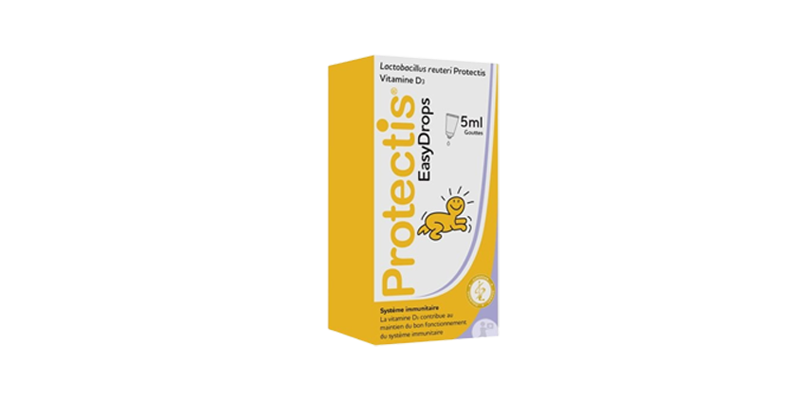
Description
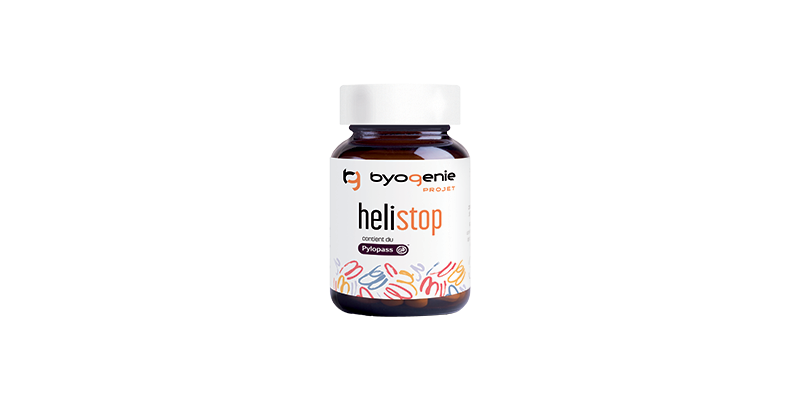
Based on Pylopass™, a new-generation ingredient for a new approach. Contains Pylopass, a patented inactivated strain of Lactobacillus Reuteri - Optimised with a prebiotic, acacia fibre. √ Pylopass™ is a patented strain of Lactobacillus Reuteri. √ Pylopass™ modulates the presence of helicobacter pylori responsible for certain gastrointestinal problems. To remain stable in the stomach and resist temperature variations, the Lactobacillus Reuteri strains are inactivated during the manufacturing process. Gut flora is therefore not disrupted. The action of Pylopass is reinforced by the presence of acacia powder in fibregum form, which provides a prebiotic effect and helps restore intestinal impermeability with high digestive tolerance. Pylopass™ mechanism of action √Pylopass™ is a strain of Lactobacillus reuteri (DSM 17648) containing more than ≥ 1 x10¹¹ inactivated cells/gram. √Pylopass™ was selected from among more than 700 wild strains of lactobacilli species for its ability to act as an antagonist of Helicobacter pylori. Helicobacter pylori is a gram-negative bacterium that colonises the stomach. This bacterium is the major cause of ulcers and gastritis. It is estimated that 50% of the world's population is infected with this bacterium, and even more so in developing countries, with a prevalence reaching up to 90 %. Lactobacillus reuteri binds specifically to H. pylori in the stomach. The adhesion molecules on the surface of Pylopass™ recognise and adhere to the surface of Helicobacter pylori. Aggregates form in the stomach, which are then excreted through the digestive tract and eliminated from the body. How does one get infected? Most H.pylori infections are contracted during childhood, before the age of 10. Without treatment, they will persist for life. H.pylori spreads through food that has not been properly washed or cooked. It is also found in stools, saliva and dental plaque. In general, infection rates are higher in developing countries than in developed countries. In France, 5 to 10 % of children are infected. This figure reaches 20 to 50 % among adults. After the age of 60, nearly one in two French people is infected.