Description
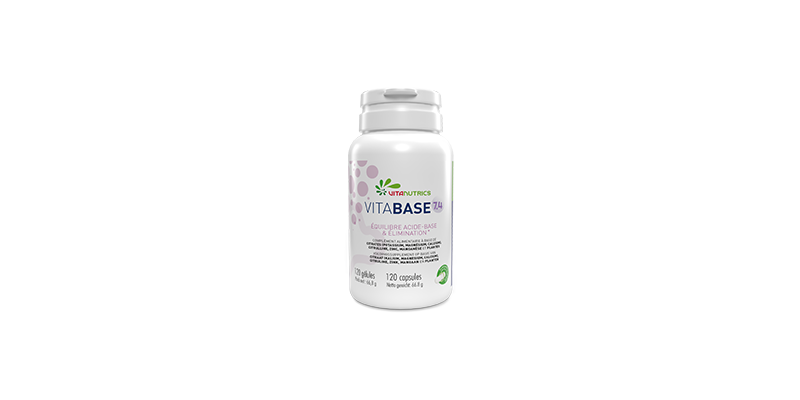
WHAT IS LOW-GRADE ACIDOSIS? Our current diet and lifestyle greatly increase the production of organic acids by our cells. If they are not properly eliminated by the lungs or kidneys, these acids accumulate in our tissues. This is known as low-grade acidosis. Low-grade acidosis is a chronic imbalance that should not be confused with metabolic acidosis, an acute condition characterised by acidification of the blood due to a collapse in plasma bicarbonate concentration. To fight low-grade acidosis, the body draws on its mineral reserves (bones, gums, teeth...) for phosphate and carbonate buffers, causing long-term demineralisation and weakening of the body. The acidification of tissues has many other consequences: it increases the inflammatory terrain, promotes the development of fungal infections and other opportunistic micro-organisms on the mucous membranes... THE ORIGINS OF LOW-GRADE ACIDOSIS There are 2 distinct origins of low-grade acidosis: √ Dietary origin Mainly linked to the consumption of animal proteins. Rich in sulphur amino acids (methionine and cysteine) or branched-chain amino acids (leucine, valine and isoleucine) and also in phosphoproteins (milk casein, eggs), these amino acids are metabolised by the liver and produce organic acids in large quantities. √ Metabolic origin Linked to the production of organic acids by cells. This production is increased in the following physiological situations: diabetes, blood sugar disorders, sedentary lifestyle, physical overactivity, liver insufficiency and stress. VITABASE 7.4, THE MOST COMPLETE FORMULA √ Citrates and Malates Citrates and malates are organic salts widely present in the plant kingdom, particularly in fruits. Citric acid is abundant in citrus fruits (lime, lemon, orange...), up to 47 g/L of juice! Malic acid is present in strawberries, apples, grapes... √ Citrate Citrate is also used in the form of potassium citrate to alkalinise urine and prevent urinary stones, particularly in cases of hypocitraturia, where its use reduces the risk of recurrence of calcium stones by inhibiting the growth of calcium oxalate and calcium phosphate stones. Malic acid is less well known but just as effective, particularly in cases of lithiasis. √ Citrulline Citrulline is a highly alkalinising amino acid. It is very easily absorbed and enters the urea cycle to eliminate excess nitrogen and acid. √ Lime Sapwood Lime sapwood (Tilia x europaea) is traditionally used to help eliminate acids in cases of lithiasis, gout attacks... √ Blackcurrant leaf Blackcurrant leaf (Ribes nigrum) contains rutinosides whose well-known "cortisone-like" action explains its traditional use for rheumatism, inflammation, colds... √ Zinc Zinc is a cofactor of carbonic anhydrase, an enzyme present in the kidney involved in the balance of carbonates and protons. Zinc is recognised for contributing to normal acid-base metabolism. √ Manganese Manganese is a trace element that contributes to the synthesis of bones, joints and connective tissues, and thus to the maintenance of normal bones.